Buying Liquor in Sri Lanka: The Little Things That Surprise Visitors
If you’ve spent any time in Sri Lanka, you’ve probably noticed that buying alcohol here feels a little different from back home. For many visitors, Sri Lankan wine stores are one of those small cultural surprises that stick in their memory long after the trip ends.
Tourists often ask the same questions. Where do you buy wine? Why are the shops so discreet? Why are they closed today? The answers reveal a lot about local culture, laws, and everyday life in Sri Lanka.
Here’s what most foreigners find interesting, unexpected, or simply useful to know about Sri Lankan wine stores.
They’re called “wine stores,” but they sell much more than wine
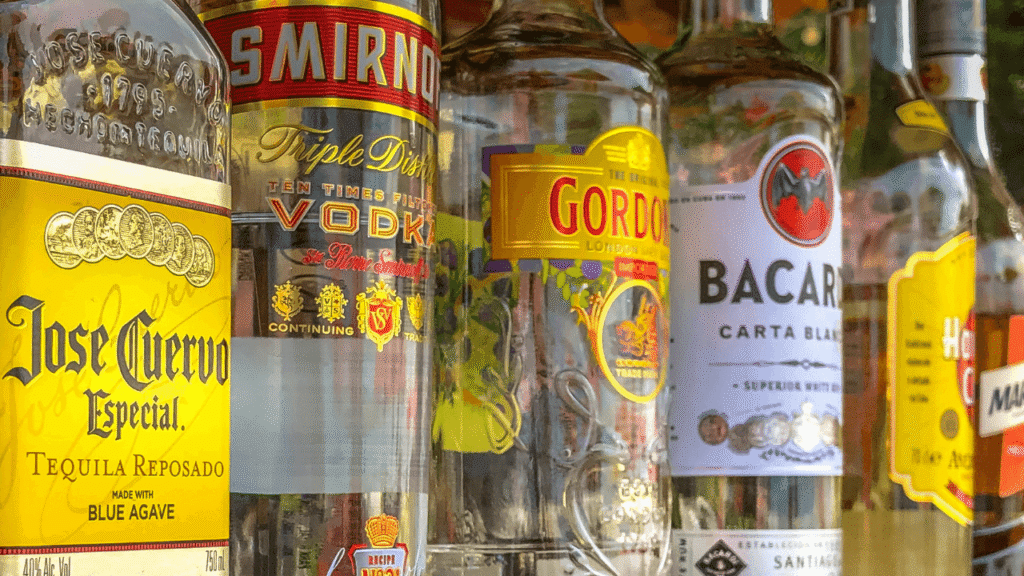
The first surprise is the name itself. In Sri Lanka, a “wine store” doesn’t mean a boutique filled with vintage bottles and tasting notes. It’s a general term for licensed alcohol shops. You’ll find beer, spirits, and locally produced arrack alongside imported wines.
True wine-focused shops do exist, mostly in Colombo and a few tourist hubs, but the classic neighborhood wine store is about convenience, not browsing.
They’re often discreet by design
Many wine stores don’t look like alcohol shops at all. Some have tinted windows, small counters, or limited signage. This isn’t accidental. Alcohol sales are regulated, and social attitudes around drinking are more conservative than in many Western countries.
For visitors, it can feel odd at first. You might walk past a wine store without realizing it’s there. Locals know exactly where to go.
Alcohol sales stop on full moon days
This is one of the biggest surprises for travelers.
On Poya days, which fall on every full moon and are important Buddhist holidays, alcohol sales are banned across the country. Wine stores close, bars shut their doors, and even hotel liquor sales are restricted in many cases.
For visitors, this can feel inconvenient if you’re not expecting it. For locals, it’s simply part of the rhythm of life. We always recommend planning ahead if your travel dates include a Poya day.
Opening hours can be very specific
Unlike supermarkets, wine stores don’t operate around the clock. Opening times are set by local regulations and can vary slightly by area. Most close earlier than travelers expect, especially outside major cities.
This is why many hotels and tour guides advise guests to buy what they need before evening plans begin.
Prices reflect import taxes and local production
Imported wines and spirits are noticeably more expensive than many visitors expect. High taxes play a big role here. On the other hand, locally produced alcohol, especially arrack, is far more affordable and widely consumed.
For travelers interested in experiencing something truly local, a good-quality Coconut Arrack (available in all wine stores) is a better introduction than imported wine. However, if you want the raw, traditional experience, ask a local where to find Pol Raa (fresh toddy)—this can’t be bought in wine stores and is a unique village experience.
Service is quick and no-nonsense
Wine stores are built for efficiency. You usually know what you want, ask for it at the counter, pay, and leave. There’s little small talk and no lingering. This can feel abrupt to foreigners, but it’s simply how the system works.
In tourist-heavy areas, staff are often used to visitors and happy to help if you’re unsure what to choose.
A small detail that reveals a bigger story
For many travelers, wine stores are a minor detail in a much bigger journey. But they quietly reflect Sri Lanka’s balance between tradition, regulation, religion, and modern life.
Understanding these small differences helps visitors navigate the country more comfortably and with greater respect for local customs.
As a travel company specializing in Sri Lanka, we believe these details matter. They turn confusion into understanding and small surprises into memorable stories. And often, it’s these everyday moments that make a trip feel real.
Planning a Trip to Sri Lanka?
Stop guessing which coast to visit. Download my Ultimate Insider’s Guide and get 5 ready-to-use itineraries (including the “Survival Guide” to first time visitors).
Get My Free Guide & Itineraries »🔒 100% Free. Instant PDF Download.